Since dogs and cats do not come with trouble-shooting guides, you could be forgiven for missing a few cues here and there, particularly when a pet is feeling sick or troubled. Even for those of you most in touch with your pet’s feelings, evolutionary hardwiring will likely prevent the pet from communicating her wants and needs in ways you might assume she would.
Pets depend on us
As a pet sitter, an essential part of my job is observing change which I share with the pet parent. The following list is based on long experience caring for cats and dogs:
- I hurt. Dogs and cats instinctively push through pain making it the least likely thing your pet will communicate directly. The signs can be small enough to escape notice or believed to be minor, especially if the pet is in the prime of life. She may chew funny, sit carefully, be reluctant to jump, tentatively take the stairs, or struggle to rise. All can be signs of true pain. When in doubt, consult your pet’s veterinarian.
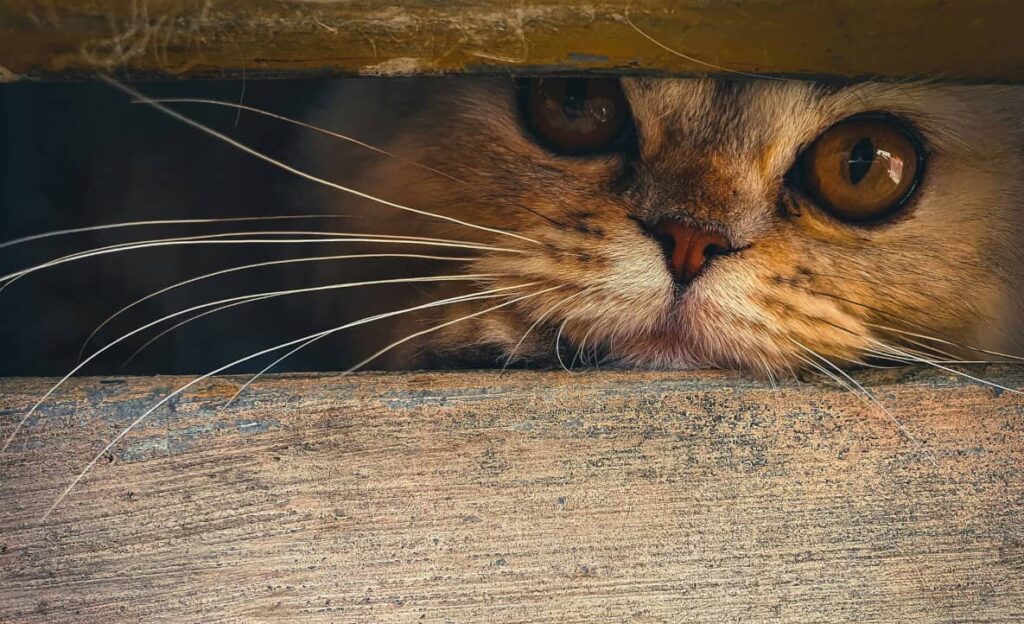
- I‘m scared. Unexpected disturbances can drive cats and dogs into hiding. Providing cozy, soft spaces that feel secure — and smell like you — will reduce pet stress. But when fear pushes pets to respond with aggression (to keep people/dogs at a distance) or panic (in response to unpredictable, unseen threats like thunder and fireworks), help requires very careful handling.
- I‘m annoyed. Cats, especially, can get their virtual bloomers in a twist when things don’t go their way. Among cats and the people who love them, litter box issues top the chart. If your cat should begin thinking outside the box, ruling out an underlying medical condition is always the recommended first step. Otherwise, the typical feline list of complaints includes pent-up kitty resentments, the number, location, or type of box, your choice of litter, or the cat has a bone to pick with the litter box cleaning schedule.
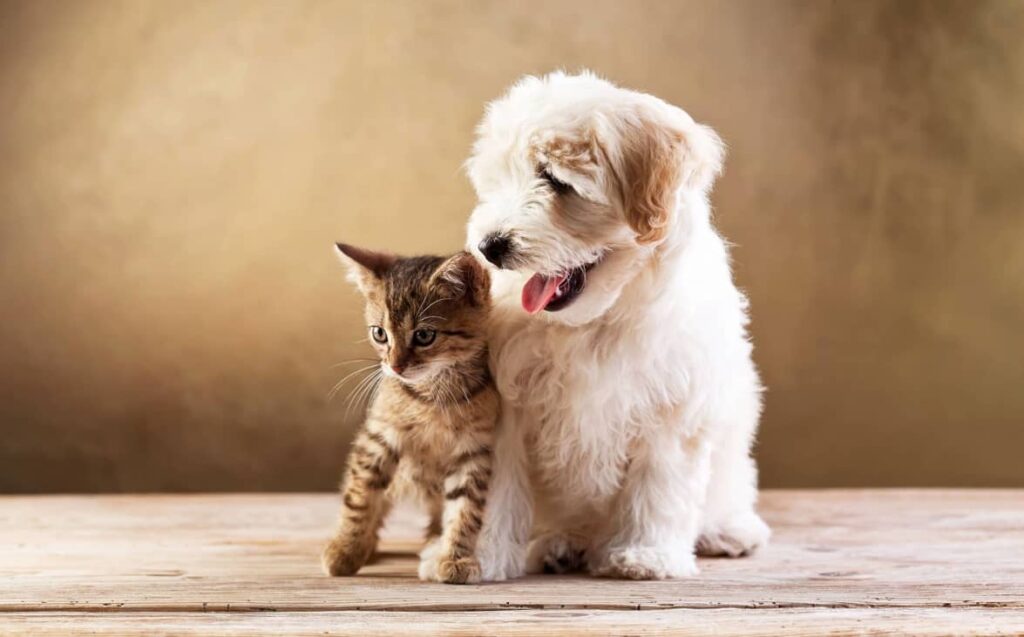
- I resent my housemate. Both dogs and cats can be jealous creatures. But signs that things are amiss between dogs and dogs, cats and cats, or dog and cat can be mind-bogglingly subtle. So subtle that rising tensions are easily missed — until it’s too late and bad stuff happens. If it does, a certified trainer or veterinary behaviorist can help you identify all the seemingly insignificant factors contributing to pet tensions.
- I need more exercise. Dogs (cats too!) that enjoy regular exercise are not only leaner, they tend to be happier. Promoting exercise is a key goal of environmental enrichment.
- I‘m sick. As with pain, dogs and cats are masters at masking illness. Low spirits may give the dog away but a sick cat’s face admits nothing. Pets depend on the people in their lives to be mindful of their activities — especially appetite and elimination — to catch a critical issue before it’s well underway.
- I need a social life. Poor or inadequate socialization is the chief reason pets become fearful.(Abuse is a far less common cause for fear aggression although it’s used by many people to explain behavior.) It’s not just puppies; kittens need to be socialized too. The difficulty for busy owners is the socialization window for pets is both early and brief. If a pet develops social anxiety— as happened to many during the pandemic — a certified pet trainer or veterinary behaviorist can help you and your pet get back on track.
- I need a professional trainer. Just because you have made it clear how much you hate urine on the carpet does not mean puppy understands that when he has the urge to pee, he should run back to the piddle pad. Those are two completely different motivations. Not only is training mentally stimulating, it will strengthen the bond with your pet.
Make a difference
Dogs and cats rely heavily on body language and excretions to communicate. In our defense, the movements of various body parts can be too subtle, or swift, or invisible depending on the breed. And bodily excretions are gross.
Think of training as building life skills for a happier, stress-free life for both of you. From simple commands to silly pet tricks, shaping behavior we like leads to enhanced communication and better behavior. PS: Cats enjoy training too.